Maximize Performance: Leading Data Center Facility Operations Services for Peak Performance
Optimizing performance in data centers is important for organizations striving to boost capability. Top Data Center Infrastructure Management (DCIM) services present essential capabilities for immediate tracking and analytics. Solutions from ServiceNow, Sunbird, Schneider Electric, and Nlyte prove superior in this environment. These services not only oversee resources but also streamline resource deployment. Understanding how to identify the right DCIM solution can achieve significant improvements. What elements should organizations assess to make an strategic choice?
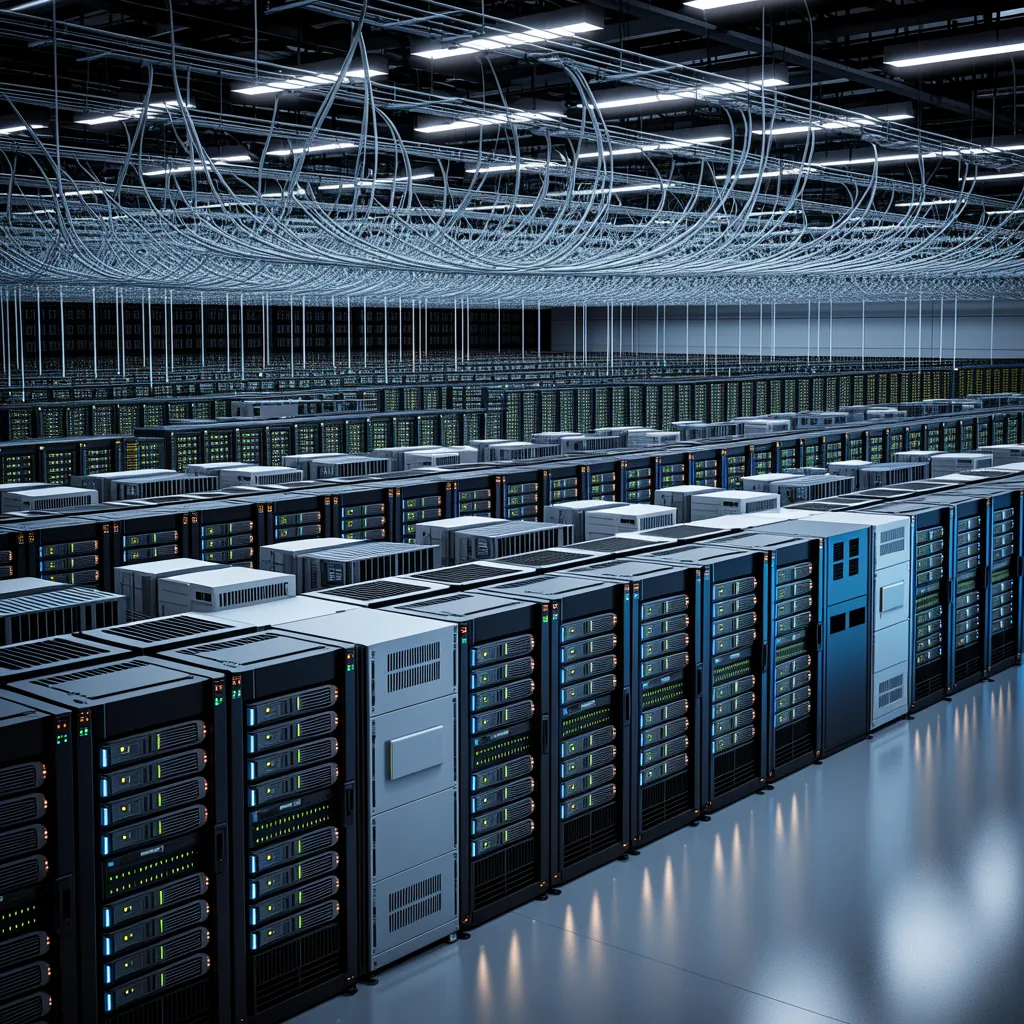
Top DCIM Services for 2023
As organizations progressively depend upon data centers to enable their functions, selecting the best Data Center Infrastructure Management (DCIM) platforms for 2023 becomes vital. Prominent DCIM services deliver detailed solutions designed to enhance resource management, strengthen operational efficiency, and assure robust monitoring capabilities. Notable competitors in the market include ServiceNow, known for its integration capabilities, and Sunbird, which stands out in real-time visualization and reporting. Additionally, Schneider Electric offers a powerful platform for energy management and asset tracking.
Another key competitor, Nlyte, specializes in enhancing data center efficiency through sophisticated analytics. These services not only facilitate better strategic choices but also help in predicting future needs. As data demands continue to grow, selecting a DCIM service that provides flexibility and versatility is essential. Ultimately, organizations must evaluate their particular needs to choose the most appropriate DCIM service, guaranteeing optimal efficiency and dependability in their data administration strategies.
Learning about Data Center system Management (DCIM)
Data Center Infrastructure Management (DCIM) encompasses a suite of tools and methodologies designed to oversee, control, and enhance data center assets. By combining IT and facility management, DCIM delivers comprehensive insight into the efficiency and usage of essential systems. This approach enables real-time data collection, enabling operators to make informed decisions regarding energy consumption, cooling efficiency, and space utilization.
DCIM products often provide capabilities including inventory tracking, resource planning, and environmental monitoring, which together enhance business performance. They enable data center managers to spot impediments, optimize systems, and minimize operational costs. Moreover, DCIM supports business planning for growth opportunities and allows businesses to comply with regulatory standards. By adopting effective DCIM techniques, data centers can accomplish better dependability, improved sustainability, and substantial aggregate results, consequently fostering superior support services in a fast-moving digital landscape.
Critical Capabilities for Deciding on Efficient DCIM Solutions
Identifying effective Data Center Infrastructure Management (DCIM) services requires careful consideration of critical capabilities that improve performance and asset optimization. Key attributes encompass immediate monitoring features, allowing immediate insight into energy consumption and environmental conditions. Integration with current infrastructure is also vital, as smooth data exchange promotes a unified strategy to information handling.
Scalability represents a key feature, allowing organizations to adjust as their infrastructure expands and evolves. Sophisticated analysis tools can deliver forecasting intelligence, facilitating active planning and minimizing downtime. Intuitive dashboards improve accessibility for multiple users, while strong protective protocols safeguard sensitive data.
Ultimately, flexibility settings assure that DCIM services can be customized to meet unique company demands. By highlighting these key capabilities, businesses can select DCIM services that not only optimize performance but also contribute to long-term sustainability and organizational achievement.
Finding the Right DCIM Solution Tailored to Your Organization?
In what way can an organization determine the best DCIM solution suited to its particular needs? The selection process starts off with a exhaustive examination of existing setup and operational requirements. Organizations should identify specific goals, such as improving uptime, promoting resource utilization, or optimizing capacity planning. Additionally, evaluating scalability is essential; a solution must adapt to future growth and emerging advancements.
Next, organizations must evaluate integration features. The ideal DCIM solution should integrate smoothly with existing tools and platforms. Ease of use also plays a significant role; user-friendly designs promote user adoption and operational efficiency.
Additionally, enterprises should examine vendor support and community engagement, as continuous help and resources can be critical. Finally, undertaking a return on investment analysis ensures that the selected solution matches with spending limits while delivering the expected returns. By implementing these steps, businesses can confidently pick a DCIM solution that fulfills their specific demands and boosts total effectiveness.
Applying DCIM Instruments to Maximize Energy Efficiency
Implementing DCIM tools can markedly boost energy efficiency within data centers. By delivering thorough understanding into power consumption and temperature management, these tools permit operators to identify inefficiencies and optimize resource allocation. With immediate data on energy usage, data center managers can reach informed determinations about equipment placement and thermal strategies, guaranteeing that energy is not lost.
DCIM tools also facilitate automation in monitoring and managing power loads, allowing for real-time modifications based on current demand. This adaptability can lead to significant reductions in energy costs. In addition, advanced analytics within DCIM tools can identify areas for further improvement, promoting proactive measures rather than after-the-fact corrections.
Incorporating these solutions into daily operations builds a mindset of continuous improvement, ultimately driving toward a eco-friendlier data center environment. The consequence is not merely greater productivity but also a diminished environmental burden, aligning with broader environmental goals.
Live Monitoring : The Core of DCIM Excellence
Real-time surveillance works as a crucial aspect in the achievement of Data Center Infrastructure Management (DCIM). By offering sophisticated performance indicators, it facilitates forward-thinking issue identification and enhancement of resource utilization. This capacity in the end produces better operational effectiveness and stability within data centers.
Optimized Performance Analytics
Evaluating data center performance represents a necessity for maximizing efficiency and sustaining reliability. Enhanced operational indicators furnish crucial insights regarding diverse operational components, encompassing electrical energy efficiency, cooling system performance, and resource management. Through employing real-time monitoring, organizations can evaluate their infrastructure durability and adaptability, allowing intelligent decisions. Operational benchmarks including server availability, full article network latency, and processing throughput prove instrumental in spotting changes and determining expansion capacity. Concurrently, such measures build team responsibility, shaping future direction and investment allocation. Methodical evaluation of operational intelligence supports industry benchmarking against established performance criteria and advances a framework promoting ongoing development. Fundamentally, advanced performance metrics act as a vital pillar for robust data center operations, producing both operational distinction and market competitiveness.
Proactive Concern Recognition
Proactive issue detection plays a crucial role in preserving the stability of data center operations. By leveraging live tracking systems, data centers can identify possible issues prior to escalation into critical failures. This approach enables teams to act quickly to anomalies in temperature, power consumption, and equipment performance. Continuous observation ensures that any deviations from established norms are flagged right away, allowing for timely interventions. As a consequence, the overall dependability of the framework is enhanced, reducing service interruptions and maintaining service quality. Moreover, preventive identification supports strategic planning regarding maintenance schedules and budget distribution, ultimately optimizing system performance. Committing resources in robust monitoring solutions is indispensable for sustaining optimal functioning in today's complex data settings.
Resource Consumption Maximization
Skilled oversight of a data center's resources depends on the ability to systematically monitor and analyze operational metrics. Real-time monitoring serves as the foundation for optimizing resource utilization, granting data center managers to identify inefficiencies and provision assets effectively. By harnessing advanced DCIM tools, organizations can procure essential information on power consumption, cooling efficiency, and workload distribution. This data supports for more prudent decision-making, ensuring that resources are optimized to their fullest potential. Additionally, real-time analytics facilitate immediate interventions to changing demands, minimizing waste and advancing overall performance. Ultimately, effective resource utilization optimization not only elevates operational efficiency but also promotes sustainability goals, making it a crucial component of modern data center management strategies.
Anticipated Shifts in Data Center Infrastructure Management
As data centers grow to address mounting needs for performance and effectiveness, emerging trends in Data Center Infrastructure Management (DCIM) are overhauling the sector. One prominent trend is the implementation of artificial intelligence (AI) and intelligent algorithms, which improves forecasting capabilities for capacity management and energy control. These technologies enable real-time observation and self-correcting responses to potential difficulties, significantly lowering downtime.
Moreover, the adoption of edge computing is accelerating a realignment in DCIM frameworks, as organizations endeavor to process data adjacent to its source for improved speed and efficiency. This requires state-of-the-art management tools to preserve performance across decentralized environments.
Sustainability is also at the leading edge, with an emphasis on reducing carbon footprints and optimizing resource consumption. Finally, the rise of hybrid cloud solutions necessitates more complex DCIM systems that can seamlessly manage both on-premises and cloud resources, providing maximum operational efficiency.
Commonly Asked Inquiries
How Can I integrate DCIM With Existing Data Center Systems?
To combine DCIM with existing data center systems, one must examine current infrastructure, ensure compatibility, establish APIs for data exchange, and execute thorough testing to confirm seamless operation and improved management capabilities across platforms.
What Is the Typical Price of Implementing DCIM Solutions?
The expenditure for rolling out DCIM solutions typically sits between $20,000 and $150,000, subject to the data center's proportions, the complexity of the infrastructure, and the requisite functionalities for ideal management.
What specific regulatory requirements pertain to DCIM Services?
Certainly, specific compliance standards exist for DCIM services, including ISO 27001 for data protection, PCI DSS for payment card industry standards, and multiple environmental guidelines that guide power consumption optimization and eco-friendly operations within data centers.
Which Frequency Ought to I Upgrade My DCIM Software?
DCIM software modifications should take place at least once yearly, though quarterly updates are recommended to guarantee top-tier functionality, security improvements, and compliance with advancing requirements. Periodic reviews help recognize when updates are required for distinct business objectives.
Can DCIM Platforms Useful for Emergency Preparedness Planning?
DCIM tools provide considerable help in disaster recovery planning through continuous oversight, inventory control, and scenario simulations. This makes certain that data centers are well-equipped for unforeseen interruptions, improving overall resilience and recovery strategies.
Comments on “Complete Guide to improving capacity planning and resource utilization”